Best Smart Blinds Compatible with Alexa & Google Home in UAE
The demand for smart home automation in the UAE is rising for energy efficiency, security, and a luxurious lifestyle. Smart blinds add comfort, convenience, and a stylish look to your…

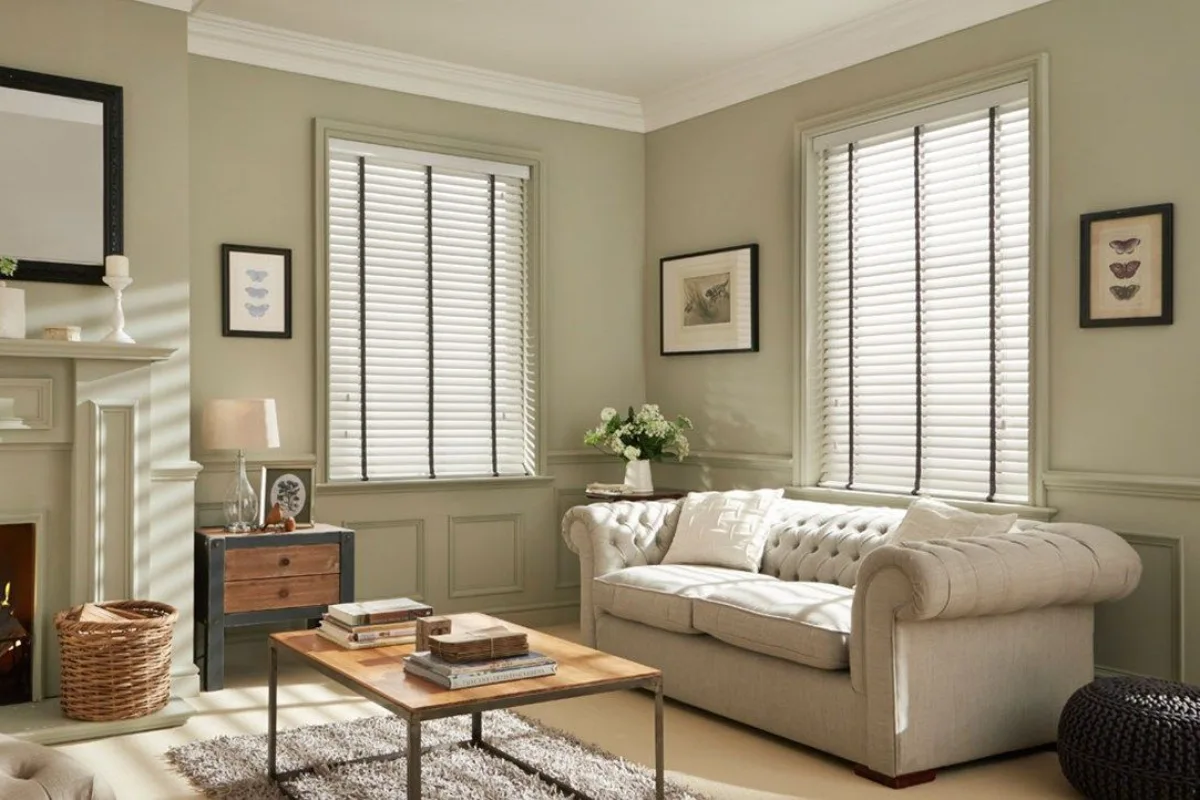
Window blinds are very important interior design elements because of their versatility and functionality. Available in wood, metal, PVC, and fabric options, these can control light & privacy by adjusting slats.
Among them, the Venetian blinds are very popular window treatments. The trend of neutral-coloured horizontal slat blinds with minimalist designs and matte finishes is increasing day by day in modern interiors.
Additionally, their no-drill installation methods and the layering with sheer curtains enhance energy efficiency in homes and glare management in workplaces. Let’s go through the details about their name, origin, popularity, key components, types, and usefulness in 2026.

Venetian blinds are popular, durable, and versatile window solutions, having horizontal slats. If we talk about materials, these are available in aluminium, wood, PVC, and faux wood. The horizontal slats are connected with cords or tapes and can be tilted to 180 degrees for the desired light control and privacy.
The tilt mechanism works to control light via traditional cords, cordless mechanism and motorised options. Basically, these ancient window shades have evolved from simple designs to the latest modern electrical solutions.
The name Venetian blinds may confuse you about their origin. Basically, these horizontal slat blinds originated in Persia, not in Venice. As the Venetian merchants introduced these blinds in Europe for the first time, they gained popularity and spread all over the world. Up to now, these solutions are known as Venetian blinds. Initially, their slat size was about 2 inches; later, with advances, their slats came in various sizes and are lighter.

To operate these window blinds effectively for better functionality and insulation, have a look at the main parts that make up Venetian blinds.

Being very cost-effective and modern solutions, these Venetian shades are suitable for all residential and commercial spaces. Listed below are the major types of Venetian Blinds.
Aluminium shades are lightweight, durable, and anti-corrosive. Because of their compact and sleek appearance, these are ideal to use in modern homes or luxurious interiors. These are best installed in moisture-prone areas like kitchens and bathrooms.
Available in a range of wood types and finishes, these offer a classic, elegant look for bedrooms and living rooms. These add warmth and comfort to any interior.
These are designed using materials such as PVC, vinyl, or a mix of wood fibres and plastic to enhance their durability and resilience. These roller blinds mimic the look of wood, offering an alternative & affordable solution to real-wood shades. As treated, these window treatments are moisture- and warping-resistant, making them suitable for humid areas.
PVC blinds with horizontal slats are the most common and budget-friendly option. Because of their smooth finish and water resistance, they are easy to maintain. Due to their ease of cleaning, these are common in busy & commercial spaces.

After installing these Venetian blinds, you will get the following key benefits.

Venetian window shades work great in almost every space because of the durable materials, superior light control, and light-blocking features. They are highly usable in areas where intense light and privacy protection are highly important. When these blinds are closed, no light can enter, and no one can see inside your bedroom and living room.
For the kitchen, the PVC or aluminium venetian blinds are the best because of their easy-to-clean surfaces. In bathrooms, Venetian shades made of moisture-resistant materials will last longer and easily manage spills without the risk of mould and mildew.
To reduce the glare in home-based offices and commercial workplaces, these blinds are also installed to create a productive ambience for the employees.

If you compare these Venetian blinds with other treatments, you will find them superior for adjusting light for privacy needs. Although the vertical shades have adjustable slats for light control, their design is best suited to large windows and glass doors. These blinds are suitable for standard and small windows.
Compared with roller shades, these horizontal slat shades offer better light and privacy control through their tilting vanes. Blackout blinds consist of a large fabric panel and offer superior light-blocking, with surfaces that are super easy to clean.
Curtains add soft elegance to your interior with their folds and waves. With different heading styles and fabric options, you will get insulation and warmth. On the other hand, window blinds with horizontal vanes are highly functional at blocking light and heat from entering. Curtains are usually mounted on the wall or ceiling. Whereas the venetian blinds can be mounted inside or outside of the window sill.
Because of their durability and versatility, these are a little more expensive than roller blinds or drapes. Moreover, they need more care and attention to clean and maintain the individual slats after removing the blinds from the window frame.

Once you know the types, parts, and best uses of Venetian blinds, selecting the right window treatment for your space becomes easier. While choosing the right Venetian shades, consider the important factors explained below.

For light control and privacy, slats need to be tilted using cords or wands. When you twist the wand, the mechanism inside the headrail twists and pulls the cords that hold the slats, allowing them to tilt up and down as needed. To lift the venetian blinds, pull the cord to the right; this will engage a lock that holds the blinds in place.
To lower the blinds, pull the cord at the centre to release the lock and allow the slats to fall towards the bottom rail under the action of gravity. The manual system is affordable and easy to do without using electricity.
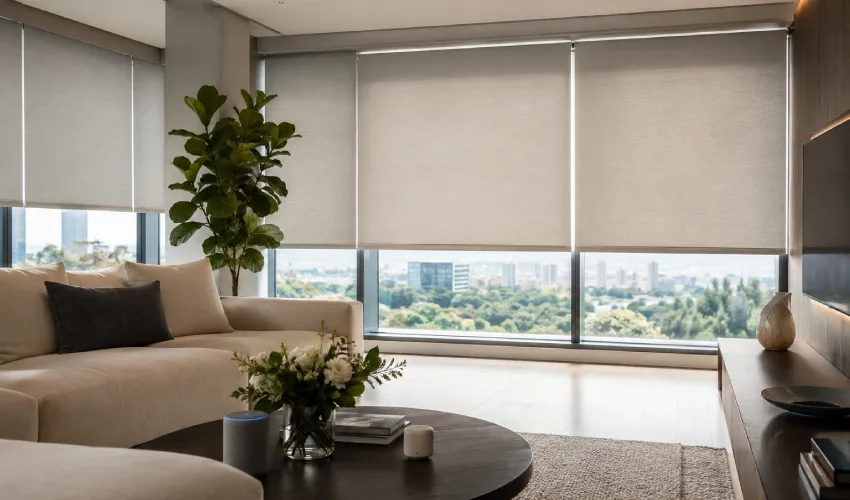
On the other hand, motorized blinds are expensive and need motors or batteries. To open or close the window blinds, these are operated with the mobile, voice command, or the central home automation system. These are best for hard-to-reach windows for effortless operations.
To keep blinds with horizontal slats in good condition and in excellent working order, dust them regularly to prevent buildup. Read the manufacturer’s guidelines before cleaning the spots or heavily soiled blinds. This will help you select the specific cleaning practice for keeping them clean longer. Always clean according to the material (wood, aluminium, faux wood).
To maintain durability while cleaning, do not soak the wood slats in water to avoid warping. Similarly, rub the stained area gently on the aluminium or PVC blinds to prevent cracking or bending. For effective cleaning, do not use abrasive chemicals. For deep cleaning of stubborn stains, first close the blinds fully and remove them from the window frame with care and attention to avoid breakage.
Major issues with venetian blinds need to be settled for proper functionality and visual appeal. If not treated promptly, the window shades’ functionality will be poor, and you will incur additional costs to replace the faulty parts. Let’s have a look at these common problems and their possible solutions.
After 5-10 years, depending on the quality of blinds, venetian blinds need replacement. If there are visible signs of damage, such as bent or cracked slats, frayed cords, or discoloured slats, never wait to replace the blind. Repairing such blinds will cost more than purchasing a new window solution.
Hence, Venetian blinds are the versatile and durable choice for homes, offices, and commercial spaces to control the light and privacy efficiently. These are suitable for blocking outside views and reducing energy bills by providing energy efficiency in bedrooms. In wood, aluminium, and PVC materials, you can pick the design, variable slat sizes, and the matte finishes according to your space needs. Additionally, these are practical solutions for high-traffic, moisture-prone areas such as the kitchen and bathrooms. Before choosing the suitable blinds, consider the space requirements for light and privacy control, existing decor, and the budget.