Best Smart Blinds Compatible with Alexa & Google Home in UAE
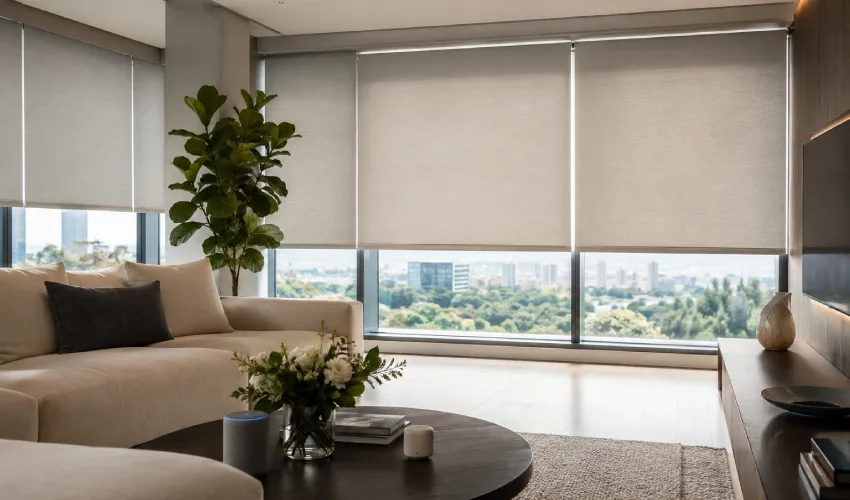
The demand for smart home automation in the UAE is rising for energy efficiency, security, and a luxurious lifestyle. Smart blinds add comfort, convenience, and a stylish look to your…

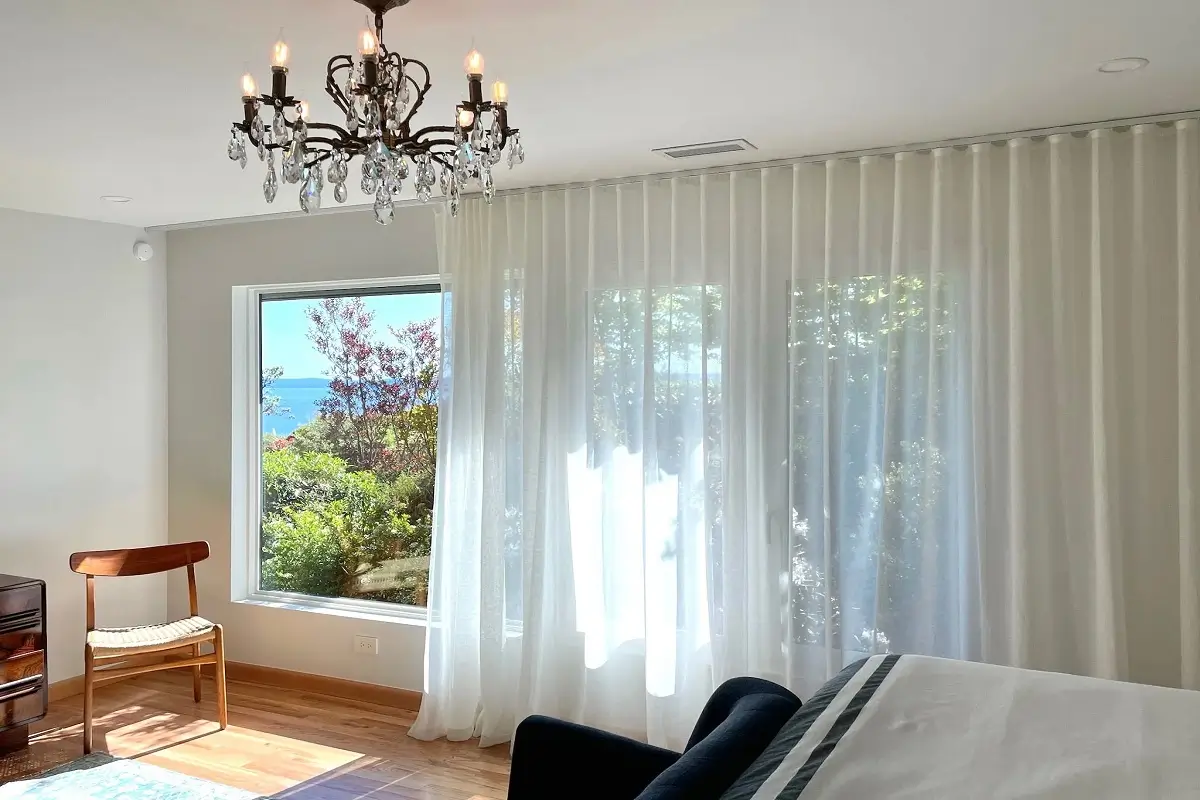
The correct width of the curtains is essential for them to function correctly and hang beautifully. They fully cover the windows, offering better light control, privacy, and energy efficiency without compromising aesthetics. Before measuring sheer curtains, you might think about how wide they should be for a balanced look. The correct width of your window cover affects fullness, style, and window coverage. Too-short drapes will upset the room’s look, fail to give a professional look, and result in poor light control.
Moreover, the style of your Dubai Curtains cannot be achieved without the required fullness. To determine which style requires fullness for a complete, sophisticated look, here is a blog post with expert tips for achieving a perfect fit with drapes.

Understanding the curtain width is essential for achieving fullness and balanced aesthetics. To make it clear about how wide your curtains should be for a perfect window decor, you must understand the actual meaning of window width. It is actually the amount of the drapery fabric, which can be determined by the width of the window and the curtain rod.

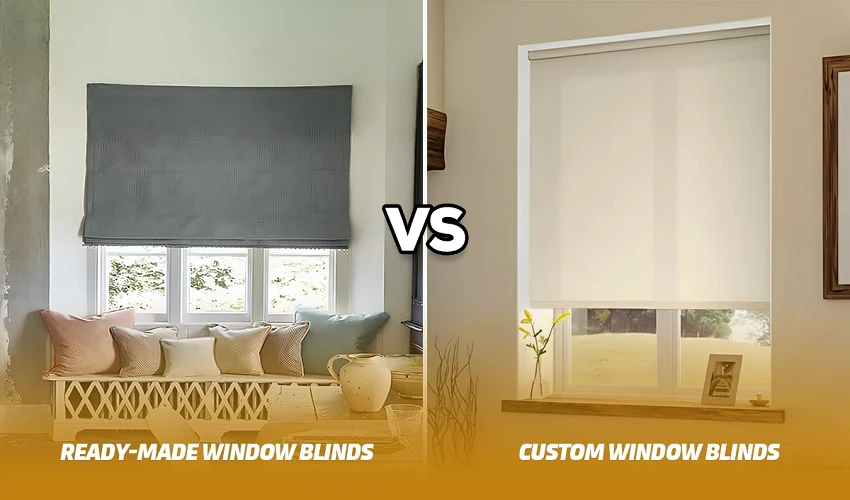
When you purchase window coverings, you may encounter standard panels. They are pre-made and intended for standard-sized windows. The available sizes include 36 and 48 inches. Being cost-effective, they are readily available in different sizes. They come in standard grommet or rod pocket styles, making them easy to install.
Custom-sized panels are made to fit your specific size window. Customization takes time, but you have flexible design options that justify its higher price. You can customize your required sizes, colors, materials, patterns, and even heading styles for the desired vision.

Both are different, while most people confuse the terms. Window width is the measurement of the window frame from one end to the other end. At the same time, the curtain width is the measurement of your drapery fabric that covers the entire window. It can be achieved by doubling the actual width of the window frame or even more for fullness.
The rule of thumb for your bedroom curtain width is to keep it twice the width of the window frame, so that your drapery will cover an additional 5-6 inches of the window. For a better understanding of the sizing formula, keep reading this article.
The fullness ratio of drapes is the ratio of the full width of the curtain to the exact width of the window. The rule of thumb for eyelet curtain width is 1.5 to 3 times the width of the window frame. It depends on the required aesthetics, how heavy or light your drapes are, and their style. Fullness refers to how your curtains cover your window and their final look when closed.
For balanced, standard fullness, you need to double the drape to exactly your window width. This level of fullness is widespread for home & office curtains and can be achieved through every fabric.
For a sleek and minimalist appearance, it will be good to achieve a fullness ratio of about 1.5 times. This look is ideal for heavy linen or velvet curtains that need to hang close to the window, for a complete & streamlined appearance.
For a fullness ratio of 3, you will get a more luxurious, formal yet elegant look. This ratio serves the best look for hotel curtains when the fabric is lightweight.

Once you have decided on the desired curtain fullness ratio, the next step is to calculate the required width of curtains for one window. To get the right measurement, gather your tools: a measuring tape, a pen, and a notebook. Then measure the window using these steps.
Using a measuring tape, start measuring the window horizontally. Place the tape at one outer end of the window frame and run it to the other side. Write down the dimensions to calculate the correct width of the curtain. This will also avoid any mistakes thereafter.
If the tracks or rods are already attached, note their length; this will help you measure the total width of the drapes. For new rods, add 5 to 7 inches to the window width on both sides.
At the end, calculate the width of your curtains by multiplying the length of your rods by 1.5 to 3 to get the desired fullness ratio. Ensure you have measured the window covering correctly to achieve a professional and complete look.

To calculate the correct width for your windows, we will discuss a few examples for different window sizes.

Your window covering style & type can affect the final appearance. Here you will find valuable tips to achieve the desired width for different window coverings.
The curtains that hang just 1 and a half inches above the ground give a neat and sophisticated look. While measuring the width, you need to achieve a standard fullness ratio. This is widely used in bedroom and living room curtains. They will need more width than the window itself to improve aesthetics. To take the correct width, multiply the factor 2 -2.5 by the rod width.
For kitchen and bathroom curtains that hang above the ground or just cover the window length, they also need a balanced look—requiring a lower fullness ratio than full-length curtains.

As you know, the sheer curtains are light in weight, which is why they need a standard to maximum ratio for a soft and luxurious feel. While measuring their length, you will need to get the 2 -3 times fullness ratio. This way, they stand vertically with their rich volume.
When pairing two different curtains, it is essential to maintain a balanced aesthetic with the right fullness ratio. Both layers of drapes should look nice and have enough volume to complement the window. If you layer the sheer with blackout curtains, make sure they are wide enough to cover the window effectively. For better functionality, the fullness of blackout drapes will be less than that of sheer curtains for the perfect balance of style and functionality.
Besides standard-sized windows, other types of windows also require proper measurements to achieve the desired fullness. Here, we discuss the special considerations while measuring the depth of odd windows.
For large windows, you need to take measurements from 2 to 3 different locations to avoid any scope of error. For the bay window, measure each panel and calculate the average width. Add the width of each window first, and then divide this cumulative figure by the number of windows. For sliding doors, full-length curtains offer better light control and energy efficiency due to their extended width.
Before you buy curtain panels, it is crucial to know the accurate dimensions. To calculate how wide your curtain panel would be, divide the total required length of your curtain by the number of panels you need to slide. If the total length of your window cover is 120 Inches, then for a single panel, it would be the same or slightly wider than this number. Similarly, for two panels, it would be 60 inches for each panel.

Depending on the type of your curtain hardware, like pleats, rings, and rods, the width of drapes will vary. It needs specific allowances to make them fit perfectly, function properly, and look best when closed.

The fullness of your drapes lets you set the mood of your room as you like and gives you better control over the light while maintaining privacy. Fullness includes the total width of your window covers plus their appearance. It can be determined after you have the exact measurement of your window. Let’s discuss various aspects to help you achieve the right level of fullness.
To measure your windows’ dimensions, follow the steps below.
After measuring the windows, adjust the width of your pencil pleat or pinch pleat curtains for the desired fullness. For a full gathering and rich, luxurious effect, multiply the total curtain length by 2.5 to 3.
Follow the essential considerations while measuring the curtains to achieve the desired fullness.
At the end, you must realize the importance of choosing the correct width of your drapes. Besides making your space stylish and aesthetically pleasing, the right-sized curtains will help you save time and effort by avoiding the need to adjust measurements, reorder, or exchange drapes. Whatever the window size, you need to consider the drapes that are a perfect fit. This can be achieved only when you take dimensions, including length and width, precisely, and also account for the fullness. So, for the best results, it will be a good practice to measure your windows accurately to get the correct dimensions of your curtains.