Best Smart Blinds Compatible with Alexa & Google Home in UAE
The demand for smart home automation in the UAE is rising for energy efficiency, security, and a luxurious lifestyle. Smart blinds add comfort, convenience, and a stylish look to your…

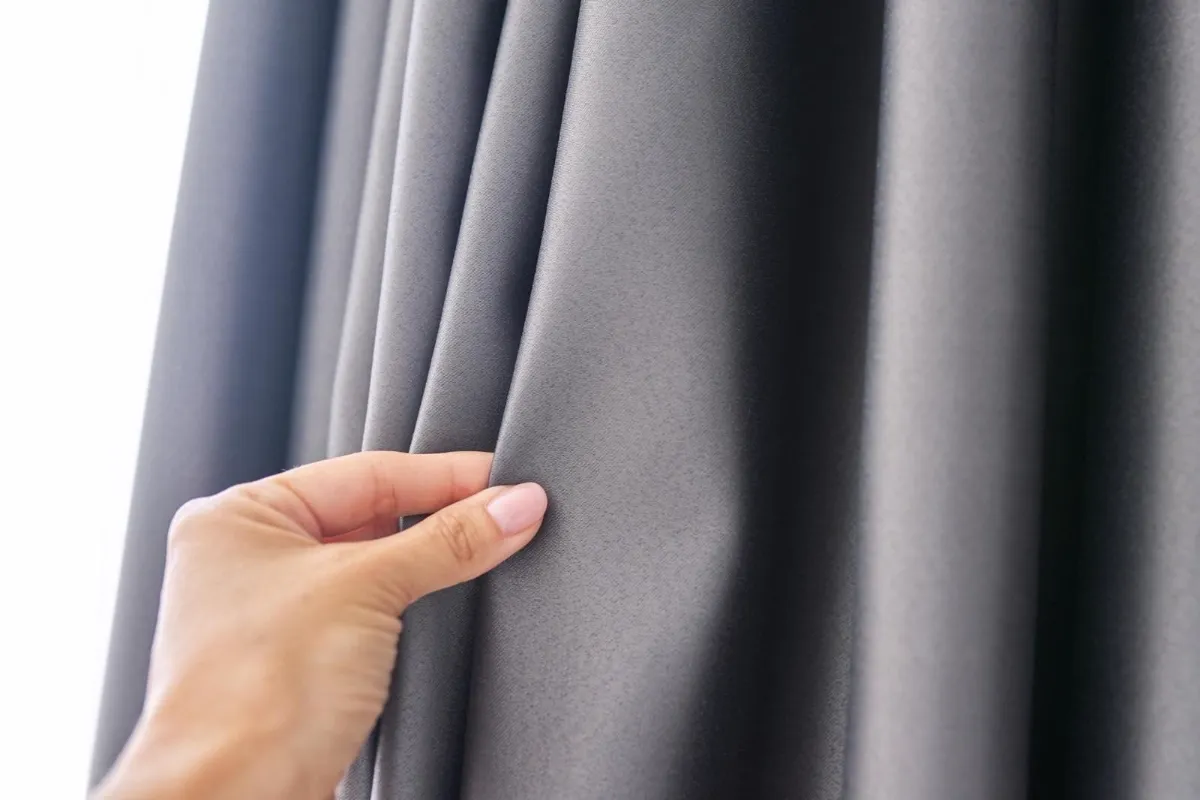
Imagine you just unbox a new curtain, and it has wrinkles all over it. The alarming thing is that its label says, “Do Not Iron.” This label confuses many people about how to straighten the curtains. This label is not attached randomly. It means your curtain fabric or lining is heat-sensitive. Many curtains are made of fabrics that cannot tolerate heat. Polyester, voile, blackout backing, thermal liners or coated fabrics can melt or lose their shape with slightly intense heat. When ironing heat-sensitive curtains, there is a risk of damaging fibres, and you may observe shiny patches on your curtain fabric.
But the good news is you can still straighten your window curtains without using an iron. In this guide, we will explain safe, effective and fabric-friendly methods to remove wrinkles gently without damaging curtains. All these no-iron techniques are perfect for various fabric types.

When curtains come with a “Do not Iron” label, it does not only mean that you cannot use an iron. It’s actually a warning that your curtain fabric is heat-sensitive, and that high temperatures can permanently damage its quality. When ironing these curtains, there is always a risk of shape distortion, discolouration, and uneven fold setting.
Popular curtains that are included in no-iron categories are blackout curtains, thermal insulated curtains, sheer voile panels, 100% polyester drapes, foam-backed curtains, and some designer fabrics. These curtain textures only tolerate low moisture care. That’s why the “Do Not Iron” label shows that you have to remove wrinkles from curtains with gentle, no-contact methods without using heat.

Every high-quality luxury curtain is made of a different fabric and reacts differently towards heat. So, before straightening curtains with the “Do Not Iron” label, there are some important precautions to take. By following these basic precautions, you can enjoy damage-free straightening processes.

The “Do Not Iron” label on curtains is not a big deal now, as you can straighten them with many safe, effective heat-free methods. Below are some strategies that work differently on different fabric types, so choose the method that suits your curtain fabric best.
If you want the fastest and safest results, then a cloth steamer is the best option. Fill your steamer tank with distilled water, then wait until steam forms. Hang the curtain on the rod and apply steam gently. Use the lowest effective steam level. Keep your steamer head 6 to 10 inches away from the curtain fabric to avoid water spots. Always apply strokes from top to bottom so wrinkles can set naturally. Avoid direct contact with lightweight fabrics like silk or sheer curtains. Polyester, voile and other synthetic curtains respond better to this method.
If you don’t have a steamer, then shower steam is a very smooth and low-risk solution. Hang your wrinkled curtains in the bathroom and open a hot shower for 10 to 15 minutes. Steam from a hot shower will relax fabric slowly and soften wrinkles noticeably. It is necessary to close the door and windows of the bathroom to avoid leakage of steam. This method is the safest alternative for delicate fabrics like sheer and silk curtains.
Wrinkles release spray is perfect for those fabrics, on which direct steam application is risky. Lightly mist your curtains with fabric wrinkle spray. This results in quick loosening of fibres and removal of wrinkles. This method works effectively on synthetic materials like polyester or blended fabrics. As a cost-effective alternative, you can also use a DIY option. Add 1 tablespoon of fabric softener and a few drops of vinegar to 1 cup of water to form a gentle homemade wrinkle spray. Must perform a spot test before applying DIY spray on designer and luxury living room curtains.
This method is perfect for heavier curtains, like velvet curtains that don’t respond quickly to steam or shower methods. Simply place a humidifier near your hanging curtains. Make sure the mist reaches the fabric evenly. The curtain will absorb gentle moisture, which gradually relaxes its fibres. After some time, you will observe a softening of wrinkles, straightening your window coverings. This slow and safe approach also works well for blackout or thermal electric curtains, as it avoids water spots or damage. For best results, keep the humidifier running for 30 to 60 minutes.
This is one of the safest ways to remove wrinkles without using any heat or devices. Hang your curtains outdoors or near a sunny window so they can receive natural light. The warmth from the sunlight slightly relaxes the fabric fibres. Gravity naturally pulls the wrinkles down, smoothing the curtain over time. This method is ideal for lightweight and delicate fabrics like voile, sheer, or linen curtains. For best results, let the curtains hang for 24 hours. Occasionally, adjust the folds and lightly tug at stubborn creases. It’s a risk-free technique that protects the colour, texture, and shape of your window hangings.
A tumble dryer can be an efficient solution for drapes that can be safely removed from the rod. Set your dryer to a low-heat or no-heat setting to avoid any damage. Place a damp towel in the dryer along with your curtains. The towel generates gentle steam that helps relax creases. Run the dryer for 10 to 15 minutes, then immediately remove the curtains to prevent them from new folds. Hang them straight away on the rod so gravity helps smooth out any remaining wrinkles. This method is perfect for durable fabrics like polyester or cotton curtains. Remember, never use this method on blackout or thermal window treatments to avoid damaging the backing or coatings.
Blackout and thermal window solutions are designed to block light and insulate your rooms. However, this functionality often comes with a sensitive coating that can easily melt or warp under heat. That’s why standard ironing on blackout drapes is strictly not allowed. To straighten these curtains safely, always steam from the fabric side only and maintain a distance so the moisture doesn’t seep into the backing.
Using minimal moisture is key. Too much humidity can ruin the coating or cause watermarks. If you prefer a gentle approach, then fabric wrinkle spray is a great alternative. Lightly mist the curtain and gently tug it to release any creases without risking heat damage.

Once you straighten your window curtains, it’s time to maintain their smooth look. You can keep your curtains polished look by following these prevention tips:

Although straightening curtains without using an iron involves simple and clear methods. Still, there are a few mistakes that you should avoid to get damage-free results.
Steaming delicate fabrics like silk, organza, lace and linen curtains from too close will damage their fibres. So always keep your steamer nozzle 6 to 8 inches away from the curtain fabric.
Spraying too much wrinkle spray will leave your curtain fabric soggy and vulnerable. Apply a light mist from a distance, then smooth the curtain with your hands to remove wrinkles.
It is strictly advised not to steam blackout lining from the back, as it will get damaged and wrapped. Even a slight heat can damage its light-blocking ability. So always steam blackout drapes from the fabric side.
Tossing so many curtain panels at once into the dryer can result in more folds and creases. Also, avoid leaving curtains folded during drying. After drying, take them out quickly and hang them on the rod to prevent further creases.
When you ignore the “Do Not Iron” label and iron curtains, even at low heat, you can permanently damage the curtain fabric. So it is necessary to follow the care label instructions before ironing, washing and drying.

Yes, you can steam no-iron window curtains. Steaming is a gentler solution than ironing. But it is necessary to check the manufacturer’s care instructions first. If there is no specific mention about “Do Not Steam”, then you can safely steam your drapes to remove creases.
Generally, you can remove wrinkles without ironing in 15 to 20 minutes, depending on the method. Some methods, including a fabric steamer, shower steam, and a tumble dryer, take up to 20 minutes to straighten curtains. However, the gravity method can take a few hours or a full day to work effectively.
Yes, steaming can damage blackout curtains if done improperly. Blackout solutions have a special lining that is often heat-sensitive. They also contain a foam base layer that can be damaged or damaged by heat contact. However, you can still steam blackout curtains from the fabric side with an expert-guided technique.
Suppose you try all the above-mentioned methods and still fail to remove stubborn wrinkles from your window coverings. Then call a professional for dry cleaning. This mainly happens in thick fabrics like velvet and denim.
Yes, wrinkle sprays, especially homemade, can stain some delicate fabrics, including silk, chiffon and some polyesters. These fabrics can react with the spray’s ingredients, resulting in stains and discolouration. It is advised to always perform a spot test in a hidden area before using wrinkle-release spray.
Curtains only look elegant and beautiful when they are smooth and polished. When you enter any space, attractive, neat hanging curtains quickly catch your attention. Similarly, folded and rough curtains spoil your mood and the overall feel of the interior, so if it is necessary to straighten wrinkled and folded curtains.
Straightening curtains with a “Do Not Iron” label is a challenging situation, but it does not mean that you have to live with the wrinkles forever. Above, we simplify all the practical methods that can be used on no-iron curtains. From a gentle steamer to tumble dry with a towel, we provide solutions for various fabrics and curtain styles. Choose the method that best suits your curtain fabric.
Always check the care label on your curtain before applying any method. Some solutions, such as a fabric steamer, are suitable for heavier curtains, while others, such as the gravity method, are ideal for lightweight curtains. Always go with the safest option based on your curtain fabric and manufacturer’s instructions.