Best Smart Blinds Compatible with Alexa & Google Home in UAE
The demand for smart home automation in the UAE is rising for energy efficiency, security, and a luxurious lifestyle. Smart blinds add comfort, convenience, and a stylish look to your…

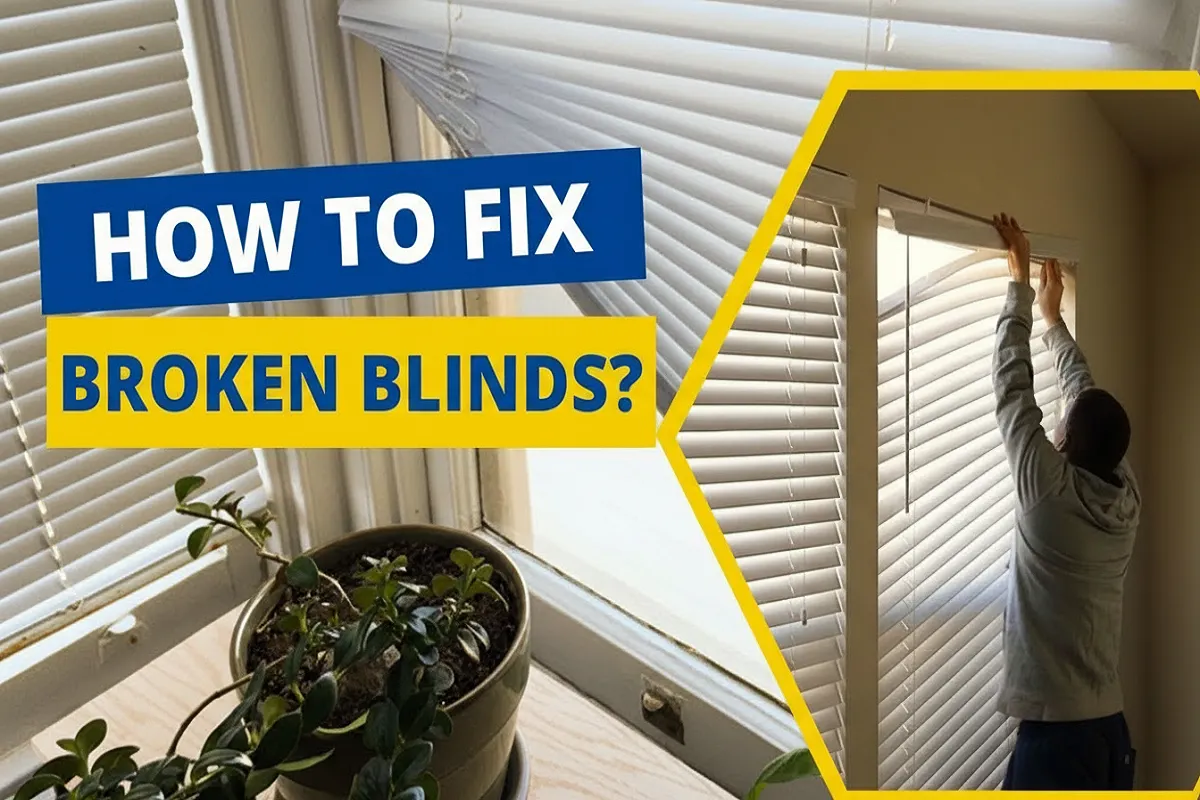
Damaged or broken window blinds affect the comfort of your space by leaving gaps, poor light control, and an awkward appearance. They don’t completely block the outside views, but it will be difficult to maintain the same level of privacy.
Broken slats will cause uneven light infiltration, which may increase glare on screens. Whereas the broken mechanisms or cords will diminish the look of your window. Fixing damaged parts will cost you less than purchasing a new one. Repair saves you time by letting you visit fewer shops to match the blinds to your interior.
To learn how to fix broken blinds, we will explore the causes and signs of damage and the effective methods for repairing them.

Before we learn fixing methods for broken window blinds, you must understand the reasons & signs that prove your blinds need repairing. Once you understand these symptoms, you can get the best idea whether it needs to be repaired or replaced.

Before fixing the damaged parts, you must have the basic DIY tools to complete the process with no distractions.
Besides gathering the necessary tools, follow the safety tips before starting repairs to ensure a safe output. Prepare the area by removing all the furniture or wall hangings near the windows. Then thoroughly inspect the areas to be repaired to save time. For large blinds, get help from anyone to avoid injury or falling hazards.

Blind type matters when you think about the repair of any part. Not every window blind has the same operating mechanism. To know which part is broken, you must be familiar with the type of blinds. Vertical blinds are attached to tracks and operated by chains. While horizontal blinds are dependent on cords and tilting gears to open or close. Roller blind repair requires adjusting the rolling fabric, rollers, and spring-laid pin. In Roman blinds, cords are pulled to stack the folds neatly. Motorised blinds have power motors and are operated by a touch on a remote control.
To avoid mishandling, do not ignore the inside-mount vs. outside-mount considerations. When the blinds are fixed inside the window frame, that is an inside mount. It looks more compact and good for the smaller space to look wider and more open. For the outside mount, window shades are fitted over the wall or outside of the window frame, completely covering the window. This is ideal for maximum light control and privacy.

Once you know the operating mechanism of every window blind, it will be easier for you to identify the issue. To learn how to fix blinds that won’t go up or down, have a look at the following procedure.
For fixing a stuck locking mechanism, pull the cord to the centre of the window shade at around 45 degrees to open the lock. If the blind is stuck, then slightly push the metal pin in the headrail to unlock it. If roller shades do not retract, then remove it out of the brackets. Roll the sheet manually and re-adjust it in the track. This will reset the spring.

To repair the broken or bent slats, follow the steps below.
To straighten the bent aluminium and PVC slats, dip them in warm water or cover them with a wet towel and hit them gently with a hammer. The warmth will let the creased part become straight. For wood & plastic slats, use tape or glue to fix the minor or localised broken part.
Using tapes, glue, bottom slats, and knotting strings are quick & temporary, but these fixes are cost-effective solutions that improve your existing blinds. On the other hand, replacing the entire window shade, fixing a single broken slat, or fixing the mechanism initially costs a lot. But these fixes are permanent and offer durability and efficient performance.

You cannot operate the blinds if the strings/cords/chains are broken, in whole or in part. When the cords have slight damage, these steps will help.
See whether your blinds’ cords are fully broken, partially broken, or just frayed. This will help you decide the right method to make your shades functional again in no time. For quick fixes, you can knot the broken ends of the cord and apply super glue on the knotted part. For permanent fixing, you need to replace the cord. To fix blind cords safely, here is the guide.
For partially broken cords, you can join the end of the replacement cord to the slightly broken section of the original cord. To connect both parts securely, you can use a lighter, then press the connected portion. Then pull the old, broken cord from the upper slide, helping the new cord pass through each slat until it reaches the last top rail.
For roller blinds, if the beaded chain is broken, you can easily connect both broken ends of the chain together using a bead connector. These are easily accessible in plastic and metal materials. Use safety tools or cleats to hold the looped cords at the safest point that is out of reach of kids. The cords may be dangerous for the kids. Try to keep the distance at least 5 feet above the ground while securing the cords on the side of the window blinds. For safety concerns, make sure the furniture or anything else is away from the blinds to avoid pets climbing.
Sometimes, the blinds have tilting problems due to a jammed or broken mechanism. For blind tilt mechanism repair, consult the contractor, who can provide a free repair that is usually covered by their warranty.
If the blinds are new and have a faulty mechanism due to broken slats, cords, or chains, then repair is an affordable solution. You can revive their beauty and functionality at a minor cost. But when the blinds are old (approx. 10 years), discoloured, and have severely damaged parts, replacement is a long-term, cost-effective solution. Repairing such blinds will cost you about 40-50% of the price of the new ones. At that time, buying the new blind will provide long-lasting durability.

To reduce the expenses on repair or replacement, prevent blinds from breaking. Here are some useful tips that are crucial for maintaining your window treatment for good performance & longevity.
To repair the blinds, first close them and remove them safely from the supporting gear. Then observe the issue and the mechanism of your blind type. Before starting the DIY reset, gather all the necessary tools. By following each step carefully, you can fix broken or misaligned parts and address mechanism issues. Knowing how to repair blinds at home is necessary, but preventing damage is more important. So keep checking regularly for any defects and follow the maintenance tips to save time, effort, and money on repairs or replacements.