Best Smart Blinds Compatible with Alexa & Google Home in UAE
The demand for smart home automation in the UAE is rising for energy efficiency, security, and a luxurious lifestyle. Smart blinds add comfort, convenience, and a stylish look to your…

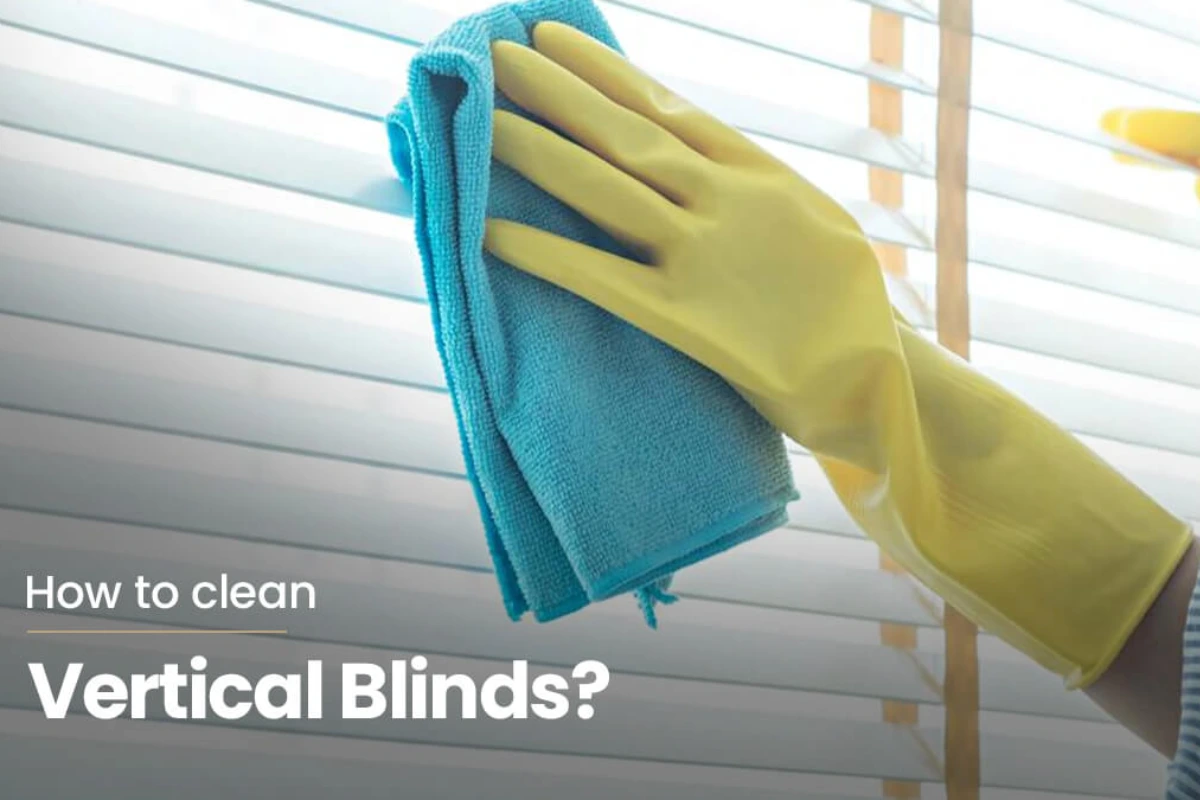
Vertical blinds are popular due to their versatility, space-saving designs, effectiveness, and low-maintenance nature. For large windows and glass doors, these window shades are highly preferred over others because of their ability to control light and privacy efficiently. Whereas in offices, these shades will reduce glare and give a clean look when installed in bedrooms and living rooms.
Because their slats hang vertically, they trap less dust and allergens than horizontal blinds; however, they require regular cleaning to maintain their pristine look. Regular cleaning includes the removal of common issues like dust buildup, stains, odors, and discoloration, resulting in an extended life span.
Before you learn how to clean vertical blinds, understanding their types first will help you choose the right cleaning methods. Let’s get started!

Vertical blinds are made from different materials. Their sensitivity to moisture and durability against daily wear & tear differ greatly. So, the cleaning practices for keeping them in good condition will also be different. Let’s have a look at each material to see how they differ from each other in their cleaning.
These shades are made from delicate to heavy-weight fabrics and give an appealing look with their stylish patterns, textures & colours. But they absorb dust and stains. If not cleaned properly, they might get a bad odour. So these blinds require gentle cleaning.
The vertical shades made of PVC are durable and water-resistant. Their surfaces are easy to wipe down. For these reasons, these blinds are highly suitable for kitchens and bathrooms.
These window shades are lightweight and rust-resistant. Because of their sleek appearance, you can create a modern look to any window. But their delicacy may cause slats to bend during cleaning if you handle them roughly.

Once you are well aware of the window blinds materials and their cleaning protocols for a safe, smooth process, the next step is to know how often you should clean your blinds.
The frequency of the cleaning might increase depending on the location and use of your blinds. In spaces with pets, smokers, or kids, more frequent cleaning is essential. The kitchen also needs more frequent cleaning due to spills and grease. In humid and dusty areas, the blinds need more attention to keep them dust-free and odourless. The material of your blinds also determines how frequently they need cleaning. Fabric window shades need more frequent cleaning than vinyl or PVC blinds.

Gather all the necessary tools and materials before you start cleaning. This will avoid any hassle and ensure a smooth cleaning process. Here is the list of essentials.

For thorough cleaning of window shades at home, follow the step-by-step instructions below. Our guide will give you simple cleaning techniques and expert tips to keep them looking good for longer.
To remove the dust from these vertical blinds, close them fully. Take a vacuum with a brush at its top. You can use a feather duster in the absence of a vacuum. Dust the blinds from top to bottom daily. These slats can be rotated. When the front side is dust-free, then reverse the slat direction and repeat the dusting process.
To remove the stains, prepare a solution by mixing mild soap with warm water. Dip a soft microfiber cloth in this solution and remove the stains from the vanes. Treat the vanes gently, as extra scrubbing may cause vinyl to bend or fabric blinds to tear or crush. So, dab the surface with a damp cloth and treat it from the outside in to avoid spreading stains.
When the stain is removed, use another damp cloth to rinse the surface and remove detergent residue from the slats. Then blot the area dry with an absorbent cloth or paper towel.
For deep cleaning of blinds without removing them from the window frame, wipe each slat individually. Start from the top to the bottom for complete removal of dust. The microfiber cloth dipped in a detergent and warm water solution will be more effective. Once both sides of the slats are cleaned, move towards the cleaning of the headrail and track.
The vertical slat blinds attract less dust or allergens, but sometimes they need to be thoroughly cleaned, especially when they are being used in highly active areas. Here are the steps involved in washing the blinds when they are greasy or affected with deep-set mud/stains.
If you notice mould, mildew, and tough stains on your window treatments, you can use the vinegar solution method for disinfection & odour removal and the baking soda paste for stain removal. To remove mold from venetian blinds, prepare a 1:1 vinegar-to-water spray solution.
After spraying the spots, wait 15 minutes, then scrub the surface with a brush to remove deep stains. For old mould stains, you can use lemon juice or diluted bleach to remove them. Dry them completely in the sun to kill any remaining germs or mold recurrence.
Keep a suitable gap between the blinds and the window frame at the bottom to allow air circulation. This results in a well-ventilated space with good air quality. If you failed to remove the stains using these methods, you need to hire professional cleaning services to deep-clean vertical blinds.
Dust accumulates on the headrail and impairs the blinds’ functionality. To clean the headrail, remove the slats to expose it for easy cleaning. Vacuum the track using a crevice tool, then blow away all the dust.
For stains, wipe them with a damp cloth. If you ignore cleaning the headrail, where the operating mechanisms sit and allow easy gliding on the track, they might get stuck.
To keep the mechanisms moving freely on the track, you can use a silicone-based lubricant if needed. This application will prevent sticking and uneven movement.
Some mistakes during cleaning might destroy the mechanisms or the look of your blind materials. If you want a safe & effective revival of your window blinds, then avoid making these blunders.

To maintain the ideal condition of window shades and to keep them clean longer, follow the expert maintenance tips.
We have discussed the proper cleaning methods with step-by-step instructions to better manage the blinds. Cleaning vertical slat blinds is essential to maintain their aesthetic look and proper functionality. Dust removal is crucial to maintain these blinds well. Whatever the material of blinds you have, dust them regularly with a clean cloth. Treat every material according to the instructions by the manufacturer. Use a vinegar solution, baking powder, or bleach to remove the mold stains. For deep cleaning, carefully wash the blinds according to your material and location. In the end, air drying is essential to avoid grime and allergens. To keep vertical blinds looking fresh and new, follow a proper care routine for a longer lifespan.