Best Smart Blinds Compatible with Alexa & Google Home in UAE
The demand for smart home automation in the UAE is rising for energy efficiency, security, and a luxurious lifestyle. Smart blinds add comfort, convenience, and a stylish look to your…

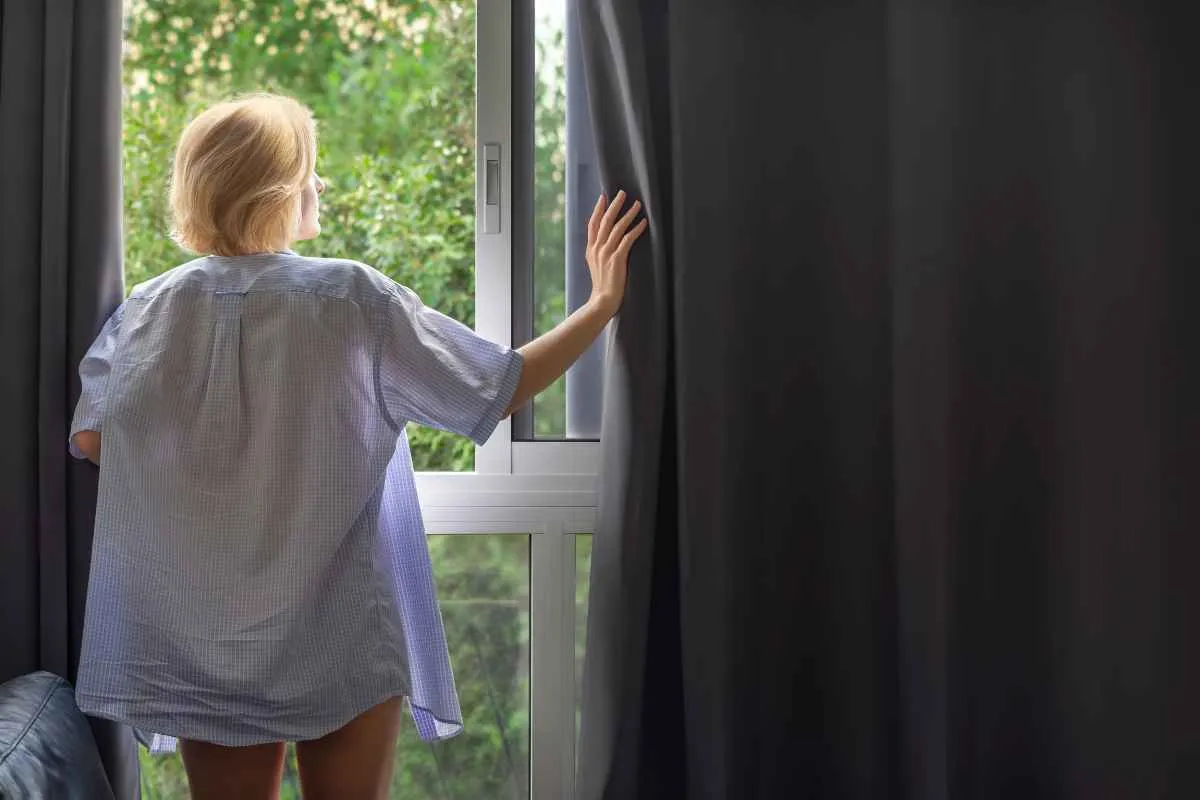
Blackout curtains are heavy and dense. They block the sunlight and provide privacy. Sunlight & heat can damage your interior, which is why many homeowners prefer blackout drapes with thermal lining. This will help you maintain indoor temperatures and a comfortable living environment. Most of the people are confused: “Do blackout curtains keep heat out?” The answer is yes, blackout curtains can help keep heat out, but how much depends on several factors. To understand this in depth, keep reading this blog post.

The thick fabric, tight weave, and multiple layers of blackout drapes make them really effective at blocking light. Some curtains come with light-blocking coatings that reflect the light. In some blackout curtains, a thermal or insulating backing acts as a solid barrier between the fabric layers. This barrier blocks sunrays completely and limits heat transfer.
To understand the science behind heat reduction, consider the fabric density of blackout drapes. The tightly held fibres allow less space for air to enter. As you know, the air is a good thermal insulator. Because of the lack or non-availability of air in the fabric structures, these blackouts slow heat passage.
For energy efficiency, the colour of blackout window coverings plays an important role. The light colours reflect light while dark shades of curtains absorb light and heat. Depending upon the construction, blackout drapes serve both thermal insulation & light blockage. Thick fabric with lining can effectively block the light, whereas thick multilayered fabric lined with insulating material traps air to reduce the heat transfer.

Yes, blackout window curtains actually keep heat out. You can create a complete dark and warm atmosphere inside with these heavy fabric drapes.
Because of thickness, all blackout velvet curtains block light, but not all provide thermal insulation. Light-blocking curtains will help you maintain privacy in your rooms while blocking the sunlight. For heat blockage, you will need thermal blackout curtains. They perform better because of the insulating foam lining between the layers of thick fabric. You will get the highly functional, energy-efficient drapes because of their thermal insulation.
So, keeping heat completely out, prefer thermal blackouts. They reduce heat and regulate the indoor temperature. But the amount of heat they reduce depends on their material & construction. Generally, it is estimated that the typical heat reduction range is 20% to 30%.
If you live in a hot climate, hanging blackout curtains will provide a comfortable environment by significantly reducing heat gain. They block heat from entering through their material, therefore keeping your room cool inside. The energy cost for cooling these rooms will be reduced compared to the rooms with standard blackout curtains.

Before you buy the Best Window curtains for your home or workspace, here are the factors you must be informed about. If not taken into consideration, your drapes will not effectively reduce heat.
Blackout drapes are available in various materials, including polyester, triple-weave fabrics, and insulated layers. The one that is made of tightly woven fabric can perform well for heat reduction. But the efficient one is the triple-weave polyester fabric blackout curtain with foam lining. It efficiently reduces the heat transfer through the window.
The colour of your blackout curtain also affects the heat reduction feature. Dark colours like red curtains absorb heat, while lighter colours, such as beige drapes, may reflect more sunlight.
The greater the thickness of your curtain and the number of layers, the greater will be the heat reduction. Thicker, multi-layer, and thermal-lined curtains perform better than normal blackout curtains.
If your windows are south-facing, they receive more sunlight and heat than east/west-facing windows. So, choosing efficient blackouts will give you the maximum heat reduction throughout the day.
Extreme hot or cold climates and seasonal differences might affect heat reduction. In summer, they keep the heat out, and in winter, they block warm air from escaping.

For insulation, after choosing the right blackout curtains, install and pair them properly. Follow these expert tips & instructions carefully if you want to keep heat out more effectively using your blackout drapes.

For an innovative change, you can use the alternative solutions to blackout drapes. Here are a few examples you can opt for the best heat control.
One of the best alternatives to blackout curtains is thermal curtains. They help in regulating the temperature year-round. They are made of multilayered fabric with a special thermal lining of acrylic.
Because of their tight weaves and blended fabric options, they can be used as an alternative to blackouts. They completely block the harmful sunrays, reduce the heat and glare while providing an outside view.
By applying these films directly to the glass, you can reduce the heat to some extent. However, you can protect the interior from fading.
If you do not have blackout curtains in a hot climate, then you can use external shading by installing shutters or awnings. These will help block light and provide shade. As these are applied externally, whatever inner drapes you have, they will help keep heat out.

Before choosing blackout curtains for heat reduction, read the pros and cons for the right decision.
At the end, blackout curtains can keep heat out, especially thermal-lined ones. These drapes create a comfortable and cosy atmosphere, where you can enjoy quality sleep during the day. Besides providing a maintained indoor temperature, they also offer 100% privacy. Because of their insulation properties, they are best for bedrooms, nurseries, & media rooms. For hot climates, carefully select high-quality blackout curtains for the best results.