Best Smart Blinds Compatible with Alexa & Google Home in UAE
The demand for smart home automation in the UAE is rising for energy efficiency, security, and a luxurious lifestyle. Smart blinds add comfort, convenience, and a stylish look to your…

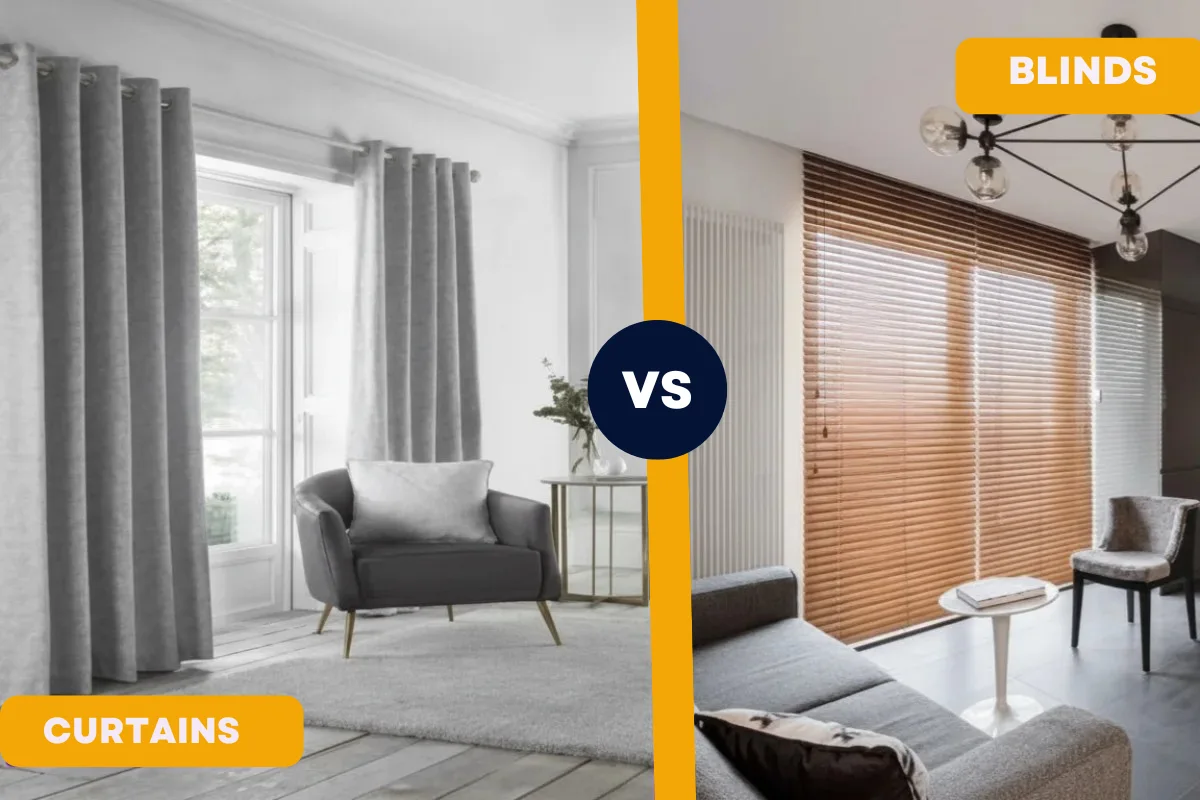
Window treatments in Dubai have a significant role in beating heat challenges. The right selection of window solutions protects against sun, heat, glare, and dust in luxury villas, busy apartments, and high-rise office interiors. Which treatment will work well in your space is quite tricky, as both blinds and curtains add beauty, insulation, and temperature regulation. When thinking about blinds vs curtains in Dubai, the most common question is which works better in a specific interior. Here, we will explore the best window treatments for Dubai homes to make them comfortable and energy efficient.
Intense sunlight and heat are the major factors driving demand for window treatments in Dubai. Strong sunlight increases indoor temperature, while UV rays can damage furniture and flooring. Dust and sand in the air are also a concern, and Dubai residents require easy-to-clean window treatments due to frequent dust. To keep indoor temperatures cool, AC use increases, resulting in higher energy bills. If you select energy-efficient window shades, they will reduce AC use and cooling costs. Proper window treatments can help keep interiors cooler, reduce glare, and protect furniture from UV damage.

Window treatments with adjustable slats or panels create a compact look. These are composed of different materials like aluminum, wood, PVC, and fabric to control light, provide privacy, and insulation. They can be manual or motorized, complementing modern or contemporary interiors. The slats/vanes can be adjusted using cords or tilted to control light filtration.
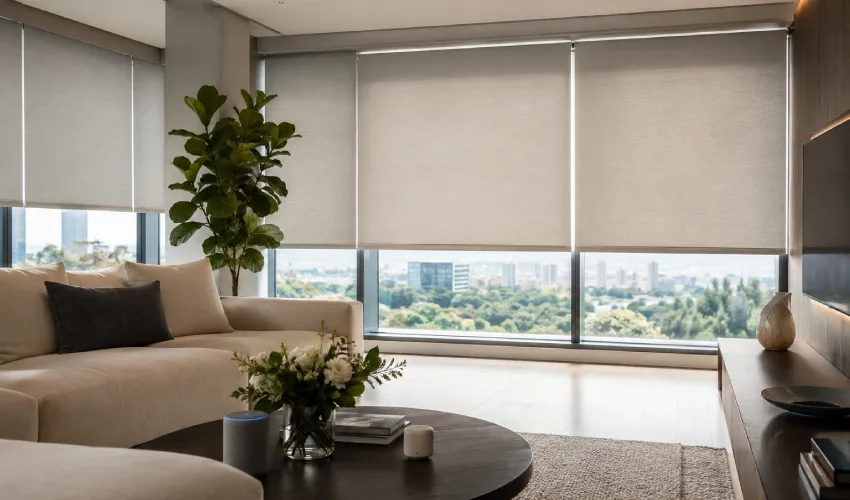
Roller blinds consist of a large vertical panel that operates on a rolling mechanism. The entire blind panel rolls over the tube for light filtration, then releases to close fully for light blockage.
Venetian blinds have horizontal slats. These are manufactured using fabrics, aluminum, PVC, or wood slats. Using the tilt mechanism, the slats can be adjusted for optimal light and heat control.
Vertical blinds are a popular window treatment for floor-to-ceiling windows and glass sliding doors. Vertical slats are attached to the top rail either inside or outside of the window frame. Using pull cords, slats can be tilted to get the light filtration.
Zebra blinds, also known as layered window shades, feature a fabric that is organized into a double layer. The panel has alternating stripes: one is transparent, while the other is a solid color to block light. The dual-layer blind offers maximum light control when you adjust the stripes. The transparent line is covered by the solid blackout line, thereby blocking light from entering the room.
Honeycomb blinds are a special structure of window treatments. They have cellular air pockets to trap the surrounding air. These air pockets will prevent air from passing in and out of the room.
Blinds are popular in modern Dubai homes for their sleek, minimalist designs. They also serve as a space-saving solution for apartments.

Window drapes made of fabric panels that hang on curtain rods. They cover the windows to protect the interior from the sun’s rays, reducing glare and insulation. They come in tab top, grommet, or pleated styles to suit various decors.
Sheer curtains are lightweight, translucent options that diffuse light while blocking outside views. They look elegant with their solid, plain, floral, or embroidered designs.
Blackout curtains are usually manufactured from heavy fabric. They need sturdy rods and hooks to prevent bending. They block 95% light and offer zero visibility from outside the window.
Thermal curtains block heat from passing through their dense fibers. They keep the heat out and reduce reliance on ACs to lower indoor temperatures.
Layered curtains are the best technique to get a noise-free interior. This pairing will improve the look while maintaining the highest level of privacy. Because of their elegant styles, patterns, and textures, they still offer a classic look to any interior. A wide range of fabrics and designs is available.
Here are the differences in aesthetics and functionality between the two window solutions to help you get a clear idea of which would be the right option for your space.
In window blinds, adjustable slats allow precise control of light and glare. Whereas in curtains, panels are easy to open or close, but with limited adjustment. Hence, blinds provide better light control because their slats can be tilted to adjust the direction of light.
Most curtain varieties are made with thick fabric that reduces heat impact. Specialized thermal curtains provide better insulation, whereas standard blinds offer less. Thermal or blackout curtains can reduce heat transfer by up to 40–60%, improving energy efficiency.
Curtains offer a more stylish look to any interior design with their versatile textures, fabric patterns, pleated options, and colors. On the other hand, the blinds are popular for their modern, minimalist approach. Curtains are always preferred for high-end, luxurious aesthetics.
Blinds are easy to wipe clean. Regular dusting with a soft fabric will prevent dust accumulation. These are usually stain-free. Curtains often require washing or dry cleaning. At the time of selection, consider the use and foot traffic of your space.
Blinds are generally more durable than curtains. Their surfaces are treated with UV-protective materials. Curtains are also durable but may fade or stain over time.

Blinds are a basic interior design element that manages heat, noise, and light in a busy, modern lifestyle in Dubai’s intense weather. Have a look at the pros and cons of these window solutions.
Blinds are often preferred in modern interiors due to their clean design and practical functionality.

Let’s have a look at the benefits and disadvantages of window drapes. This will help you in selecting the right option for your next renovation project.
Once you have the complete knowledge of the benefits and demerits of blinds and curtains, you can better decide which one works best in a specific place. The selection depends on the purpose of your room, foot traffic, and aesthetic preference. Based on expert ideas, choose the best option for your room.

Blinds are usually more affordable than custom curtains. These are long–lasting and cost-effective window solutions. The average cost of standard roller or vertical blinds in Dubai is about 50-100AED per single window. Whereas the average cost of a luxury velvet or silk curtain with full length may range up to 500 AED. Curtain prices depend on fabric, lining, and size. The installation cost of blinds is also lower due to customization. High-quality fabric and the tailoring requirements in custom drapes make them expensive. On the other hand, blinds come with a head rail that’s easily attached to the brackets on the window frame, even with DIY techniques.
To improve the functionality of the window treatment, layering two different solutions is a common practice. Homeowners layer blinds with curtains for maximum performance. Combining these two solutions enhances the interior style. Besides adding visual depth, layering offers better insulation and improved light control. The most common and popular pairing in Dubai homes is to layer sheer curtains with roller blinds to enhance the aesthetics and practicality of the space.
With in-depth knowledge of curtains and blinds, you can decide which one is ideal for your space. Here are some tips to consider when choosing the right window blinds.
Avoid the following mistakes when choosing window treatments to ensure lasting performance and added beauty.
In the end, we have concluded that window blinds are best for modern design, light control, and easy maintenance. Whereas the curtains are best for insulation, elegance, and noise reduction. Both will provide good light control and privacy, depending on the material’s quality. In a hot climate, the best solution is to combine both for maximum comfort and style.
Curtains and blinds are functional, aesthetic, and practical window treatments. Made from fabric, the curtains are popular for blocking heat and light while maintaining a stylish look and privacy. Blinds are more practical in modern interiors, with their compact build, adjustable slats, or rolling panels. These require less upkeep than curtains, which is why they are preferred in homes, offices, and high-end commercial buildings where luxury elegance is the preference. While choosing the right treatment, always consider climate, design, and functionality. Choose high-quality window treatments for long-term comfort in Dubai homes.